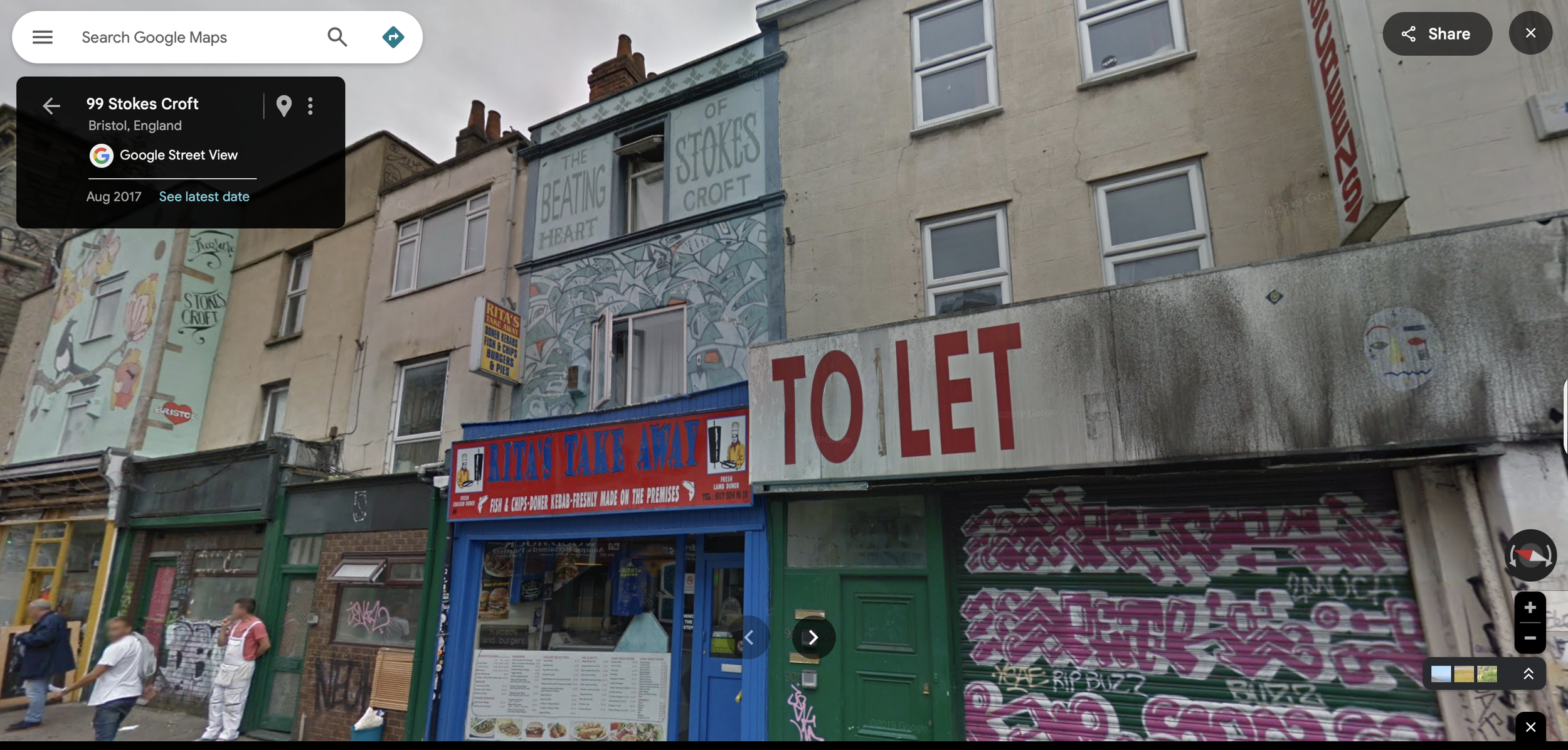
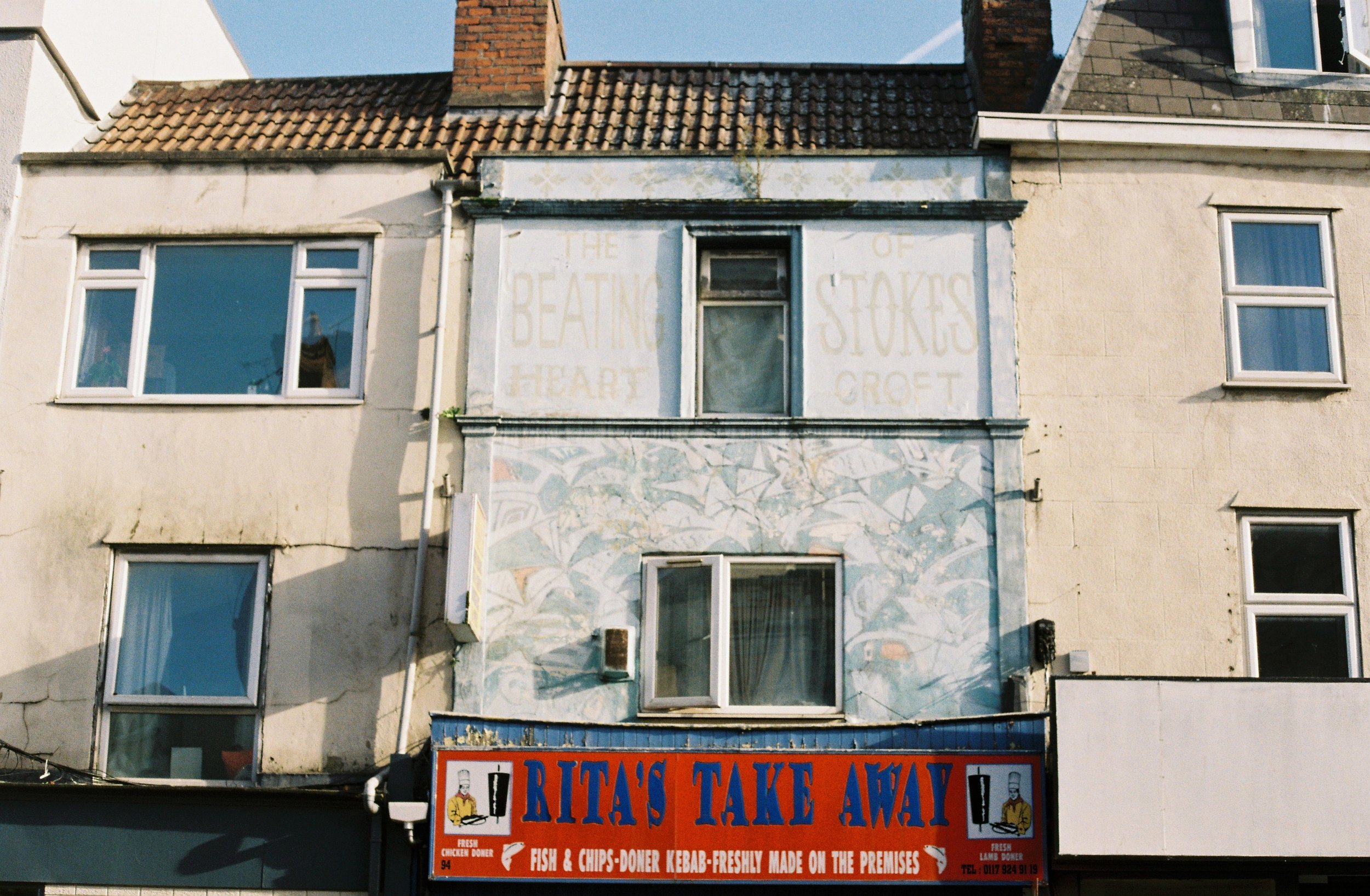
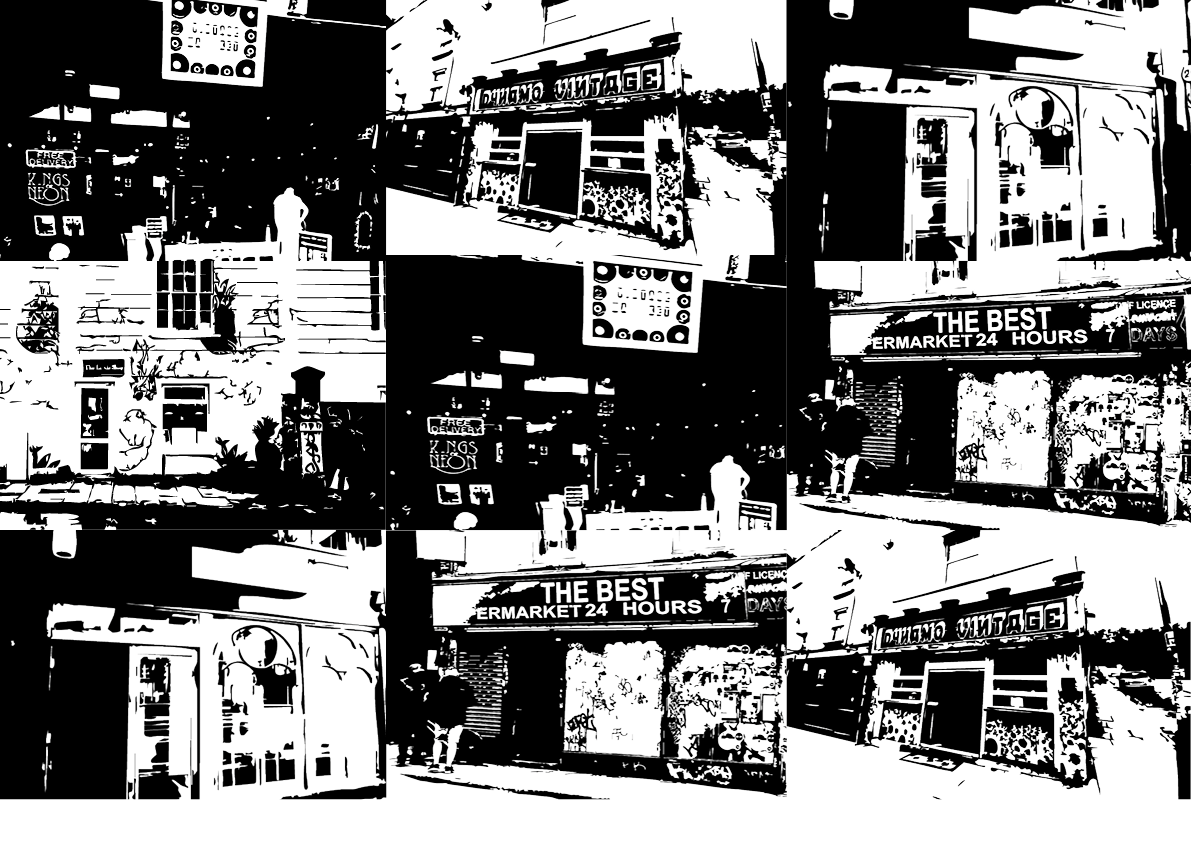
Today, I spoke with Nick, someone who has been part of the Stokes Croft community so heavily over the years. He is the man behind Left Bank, a music venue which was pivotal in the creative community 10 years ago.
He explained that Left Bank held quite a lot of context. He was inspired by Paris in the 1890s when artists and poets would gather on the left bank of the cheap end of town, “the Picassos, the monets”, and was also a reflection of the poetry scene in New York in the 50s in the cafes and bars and the acoustic, folk music was having a revival. “Dylan was there in 1961 and started to play his tunes in the cafes, but the poets had a private scene. They would get up and do their thing, and people would be quiet, then someone would come up and play a song, and everyone would get up to get a drink.” Alan Ginsberg would often be there. “it was casual, that’s what I liked about it and Left Bank was created to give a platform to artists, musicians and poets.”
Two poetry nights were created that would alternate every 2 weeks and the place was packed. Nick spoke to poets who would be great presenters. Rebecca Tantony, who is now a well-known poet and writer, presented the Sunday poetry night for over a year, and this was her first gig. “it was a massive artistic flourishing.” But the first thing that was created was the open mic nights. Left Bank pre-dated the Canteen, and Left Bank made a statement about art, poetry, and music. “It was a bohemian statement, it was raising a flag for bohemia”. This is how the Canteen was created through inspiration from the Left bank. Hamilton House and Left Bank were pivotal in the artistic life of Stokes Croft because there wasn’t much down here at the time. Nick mentions the full moon as being an alternative space, but it wasn’t until later that the attic, the music venue, was created.
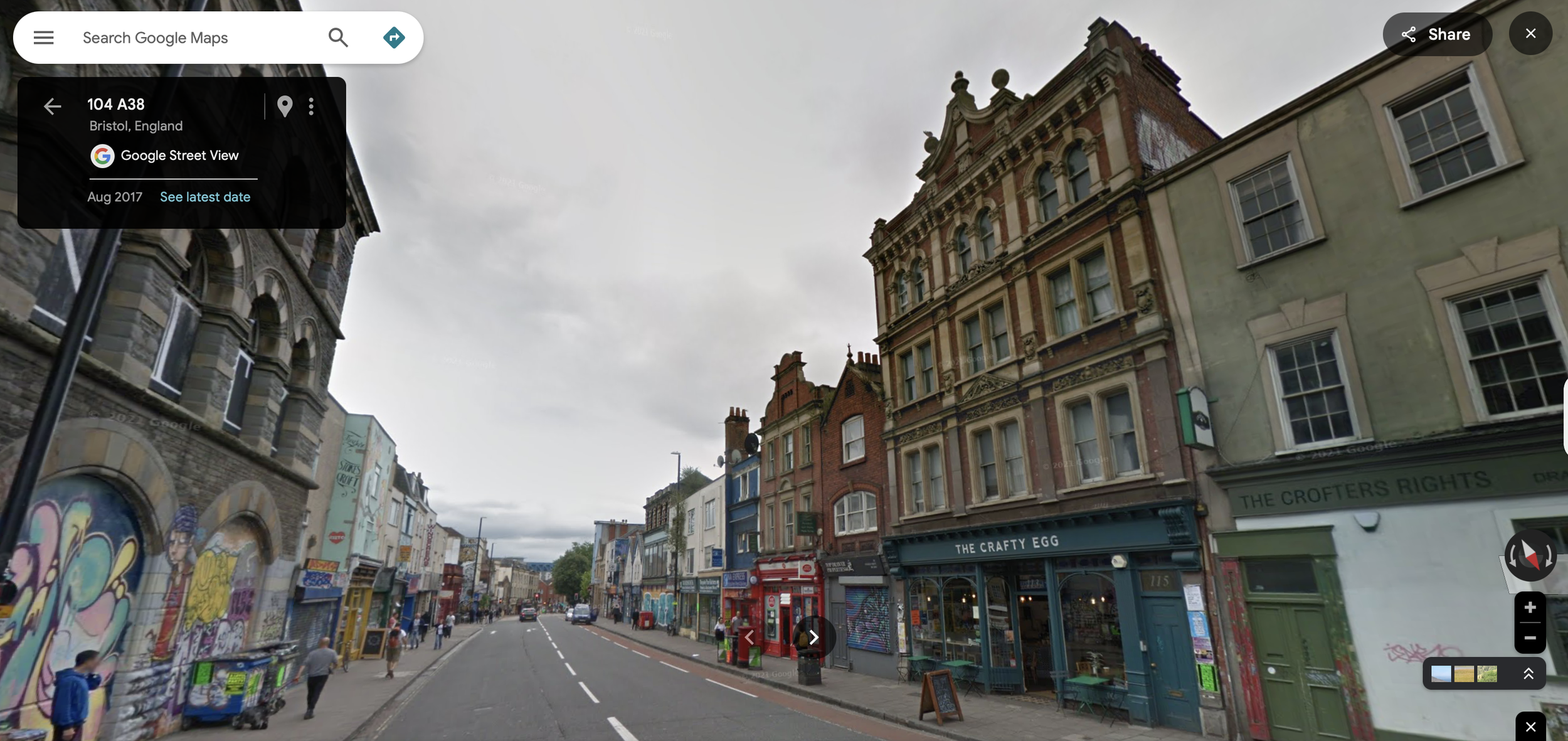
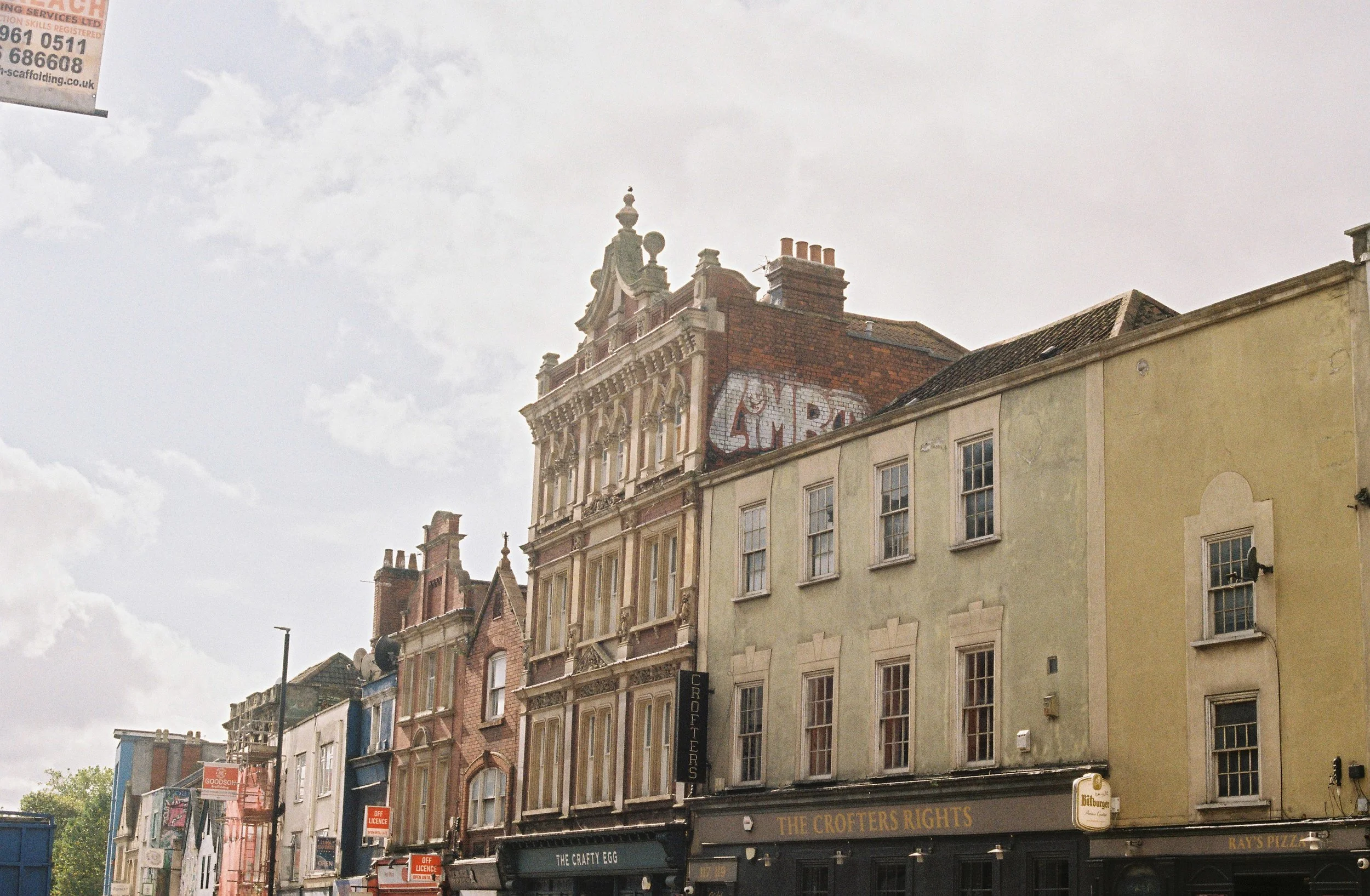
Nick got encouragement before he started, the back room of Crofters Rights, the back room set up by Pete Boater who was the poetry slam champion in England, “there were candles on tables.” Musicians felt very comfortable at Left Bank there were many jams and many bands were formed here “because it was very easy to meet people in here because of the shape, size and the way the walls were decorated.” The room was completely colourful, with arty paintings, film and music posters, “the interior meant everything to me.”
“The first 5 years were the best” The open mic nights were huge, and the calendar was always full. Joss Stones played at one of the open mic nights. Many people, like Joss Stones, came to Bristol from Devon because of Dartington Collage, a creative arts college just outside the southwest. “it was busy, and I was out sat at the bar, and I just heard this voice, it was amazing, and it was Joss Stone.”
Left Bank came to an end because of COVID-19. Nick highlighted that he was never in it for the money but the experience; therefore, financially, it always got by; however, COVID-19 forced Nick to make a big decision. “Only I really knew what was going on, and there was no way that it could carry on.”
“And then it was just a memory, and memories are great. They are life, but it was just that.”
“This is no holiday camp; this is the high street, and the high street is a fickle place.” Nick highlighted that there is so much competition within business, and it’s important that you have to keep reinventing yourself due to boredom. Many venues, such as the Arts house, where Caper and Cure now stands, were amazing venues where a Jazz band often played for free, finacially this was unattainable, so they moved to the Left Bank and took over on Thursday nights. “Musicians were always paid here, and always paid well, and they got paid first.”
Left Bank closed for the duration of a year, and then Treasure, a boutique charity shop by Love Bristol, moved in. They signed to use the space for 3 years; however, after a year, due to finances, they had to leave, July 2024. “And now I’m getting set up whatever the next phase is going to be.” The Space, whatever it will be, is a lovely space that has “a certain magic quality to it.” which I completely agree with. These venues that are here now and were there then add colour to Stokes Croft; they build community and add life to all the coming and going that happens in the city. Talking to Nick gave me such a big insight into Stokes Croft at the time, and pivotal was in the music community. People met here and danced here; people made memories here that, like Nick said, are life.