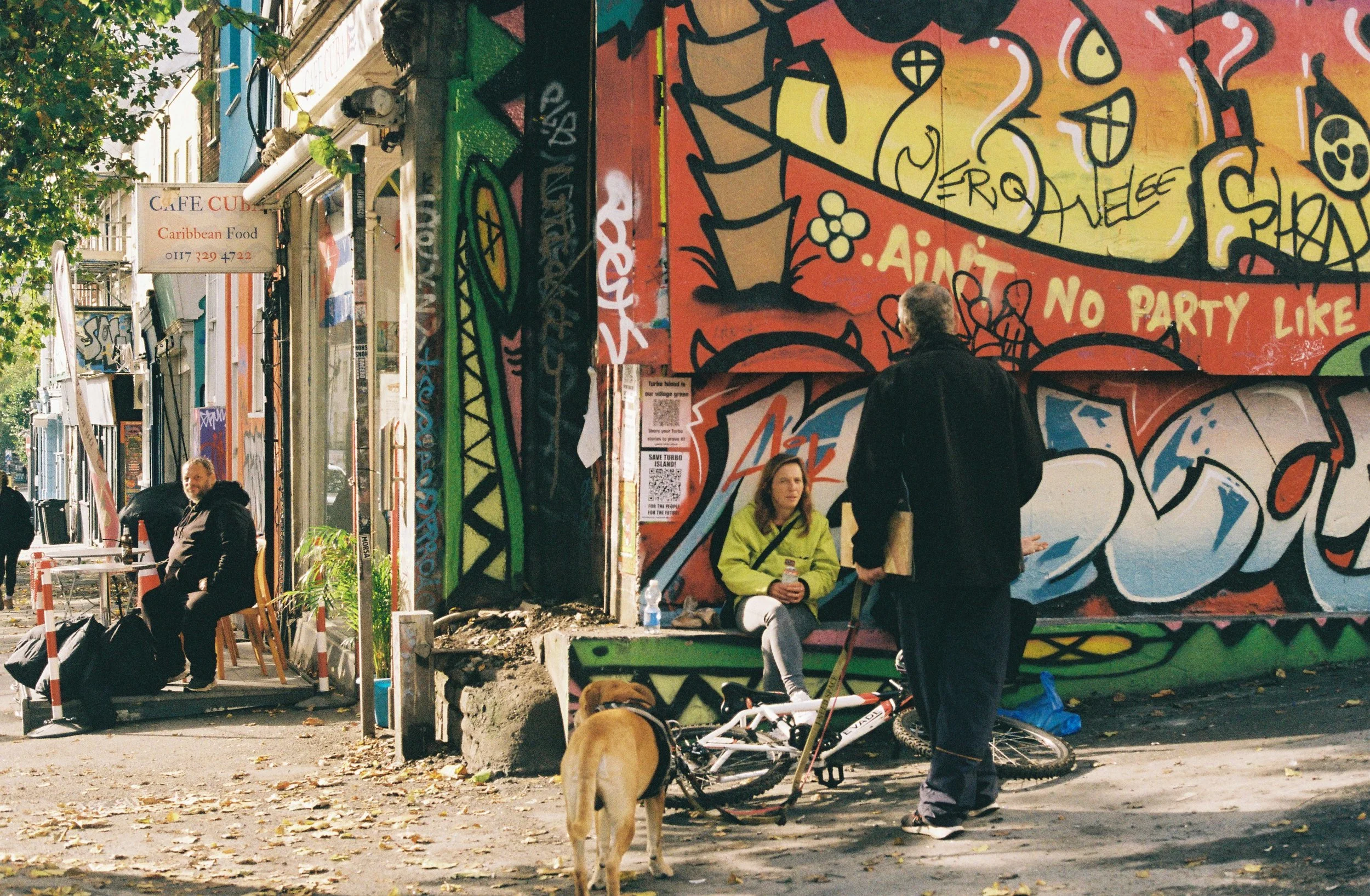
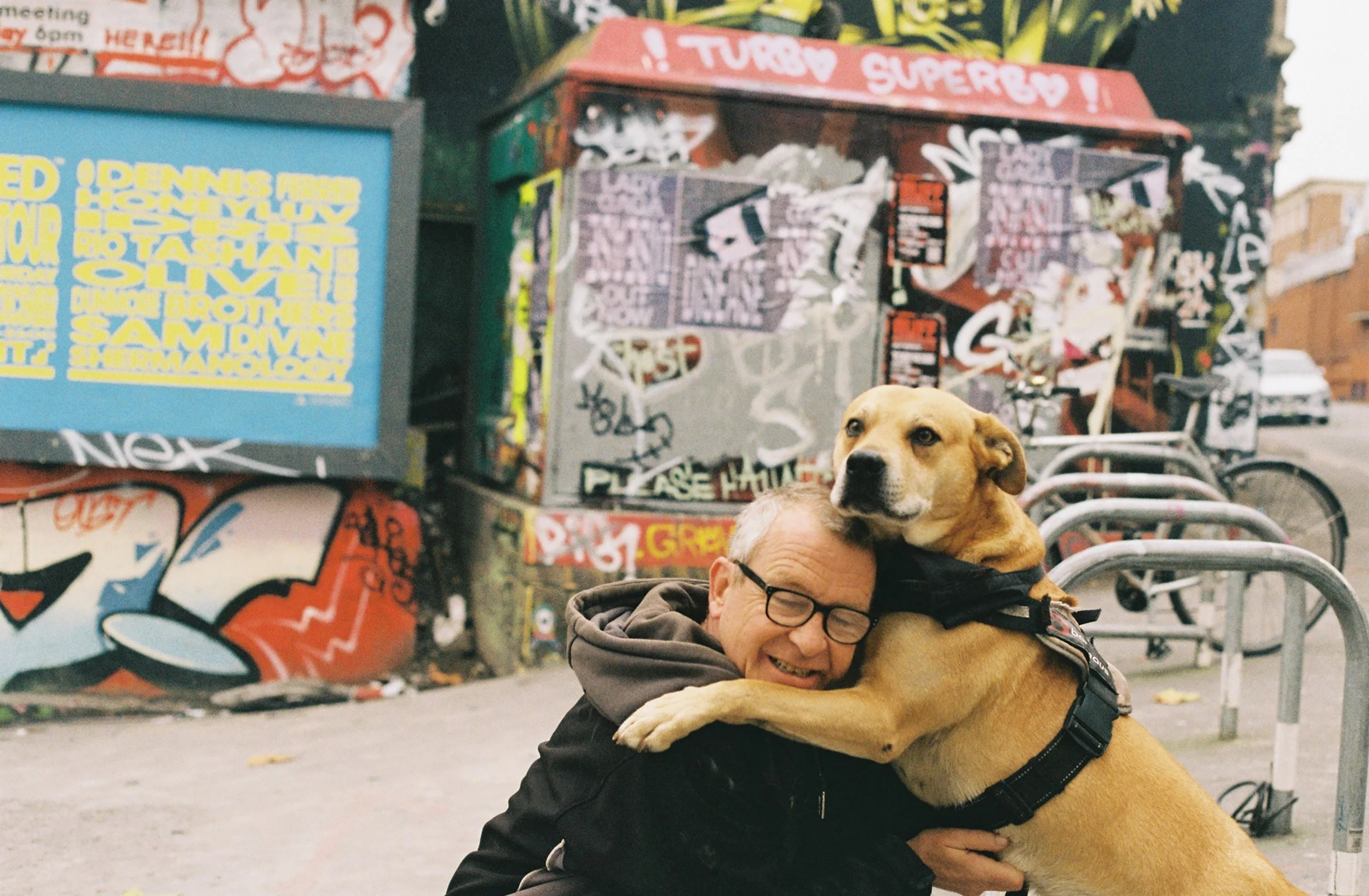
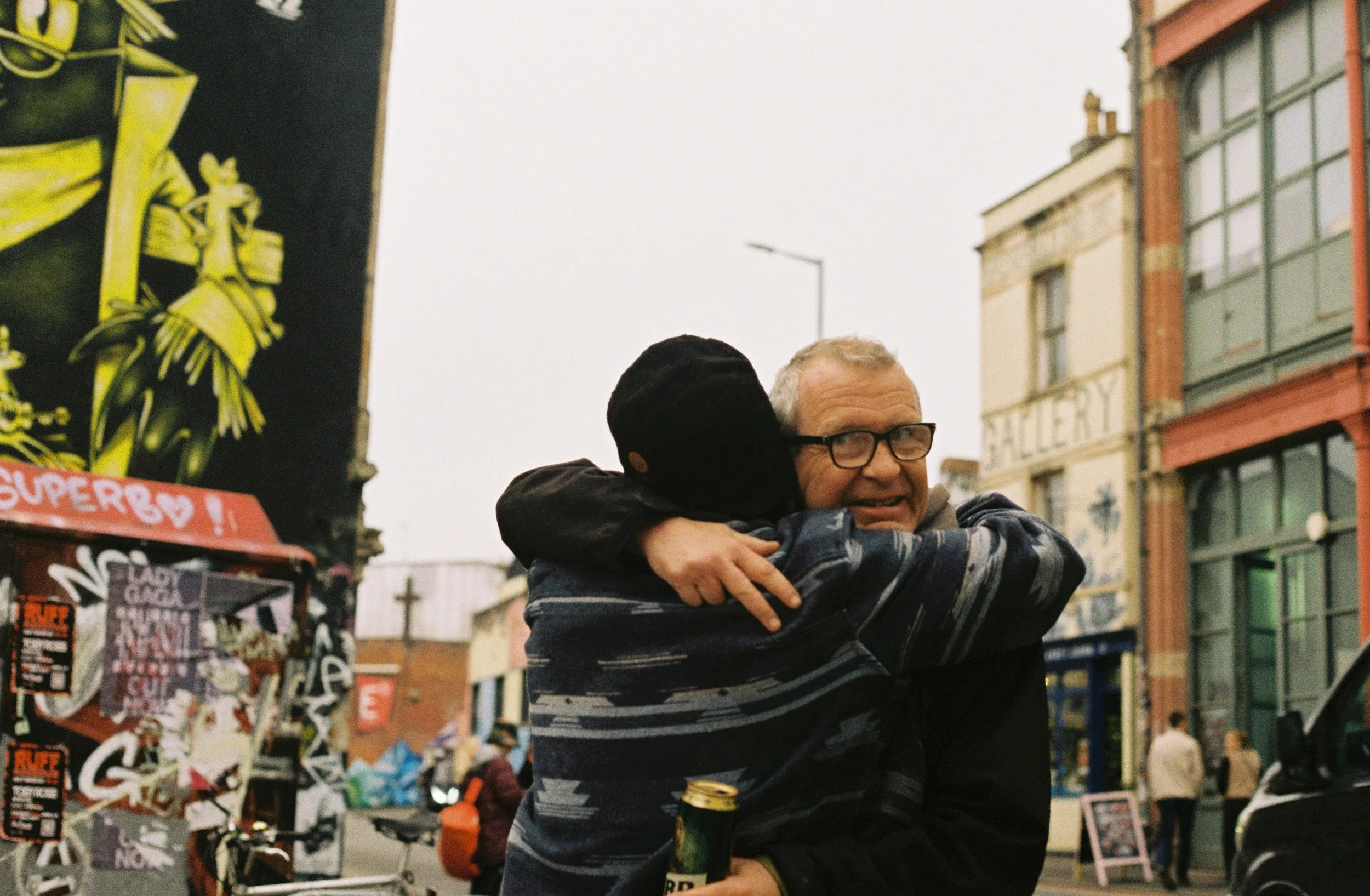
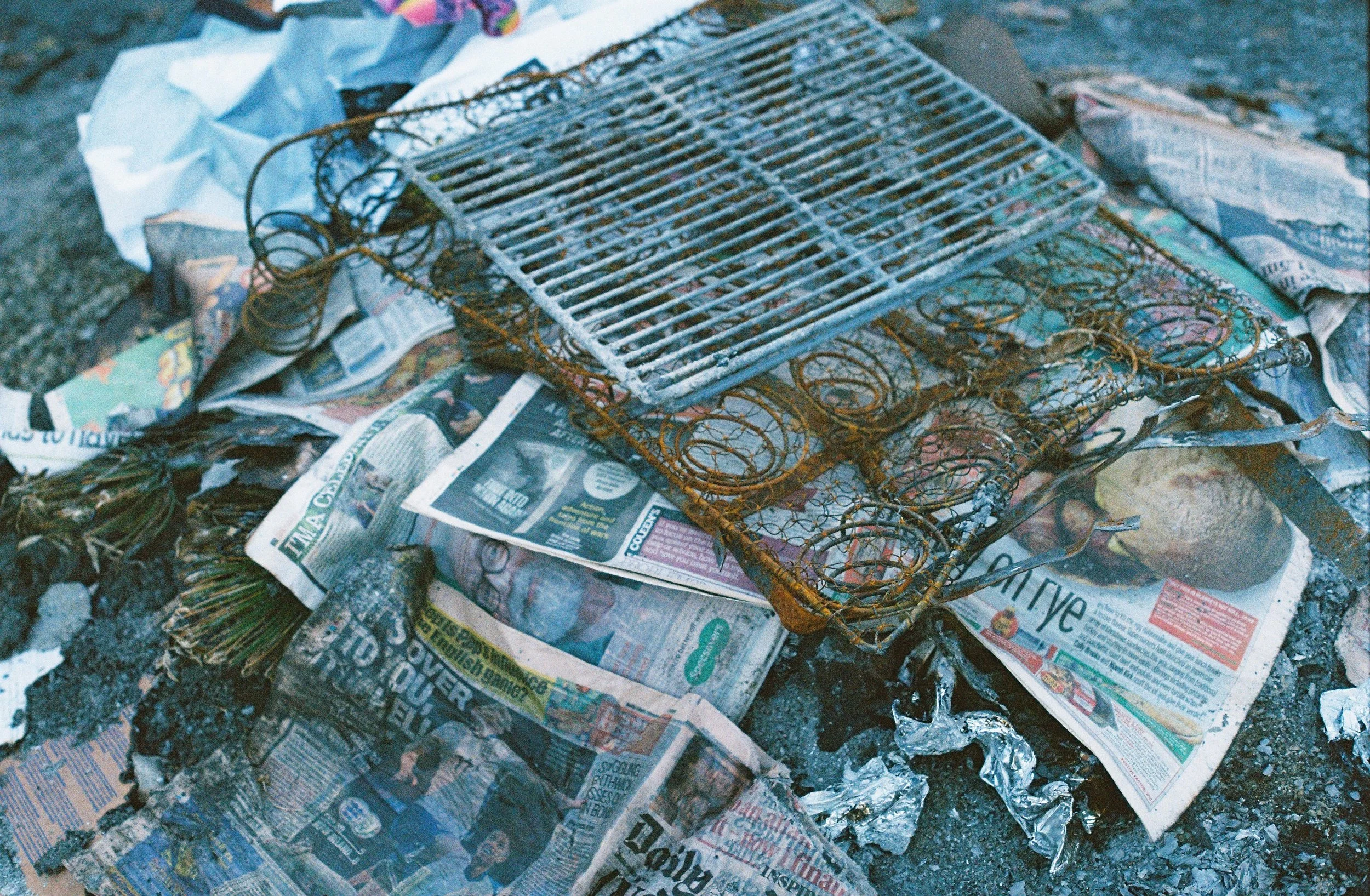
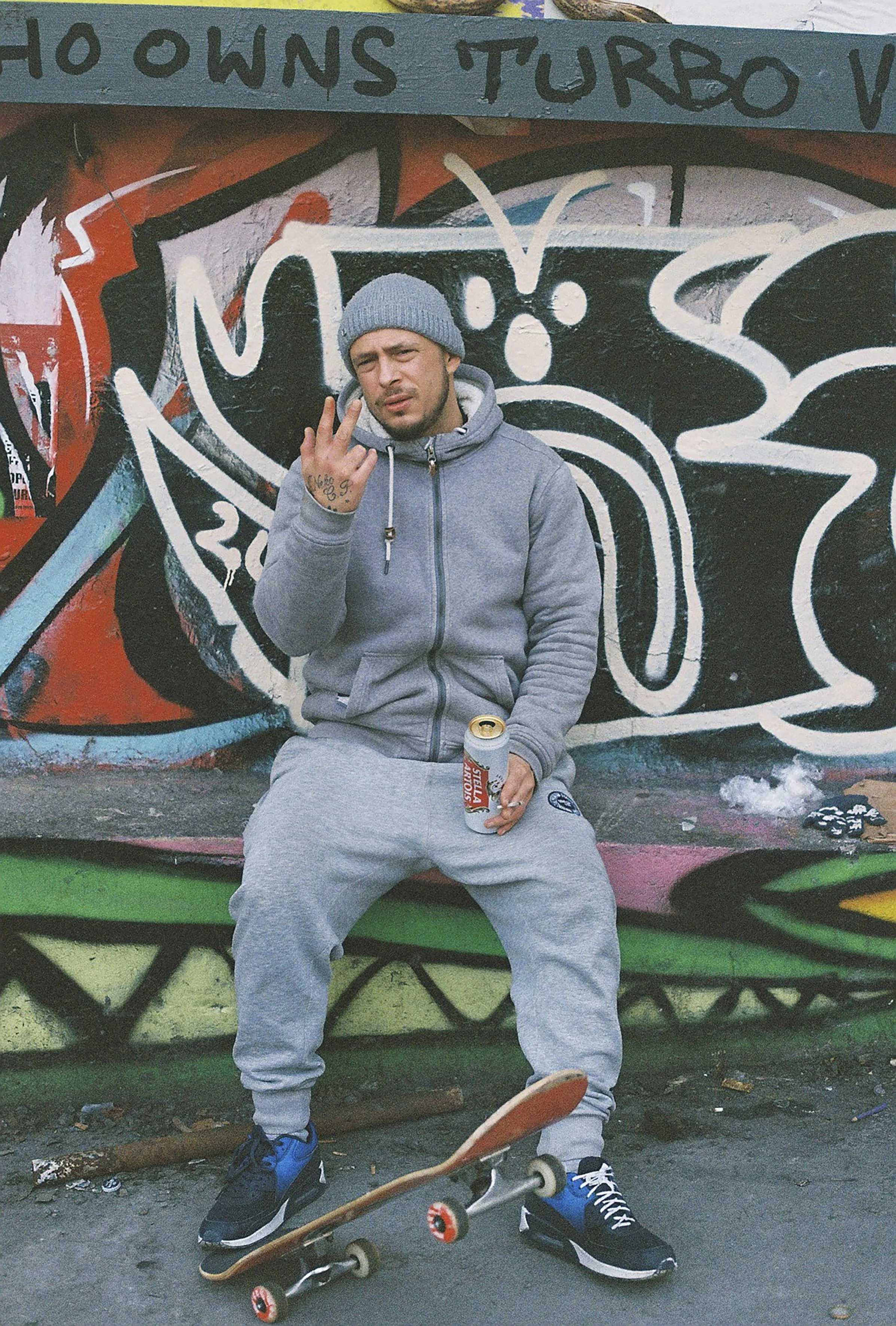
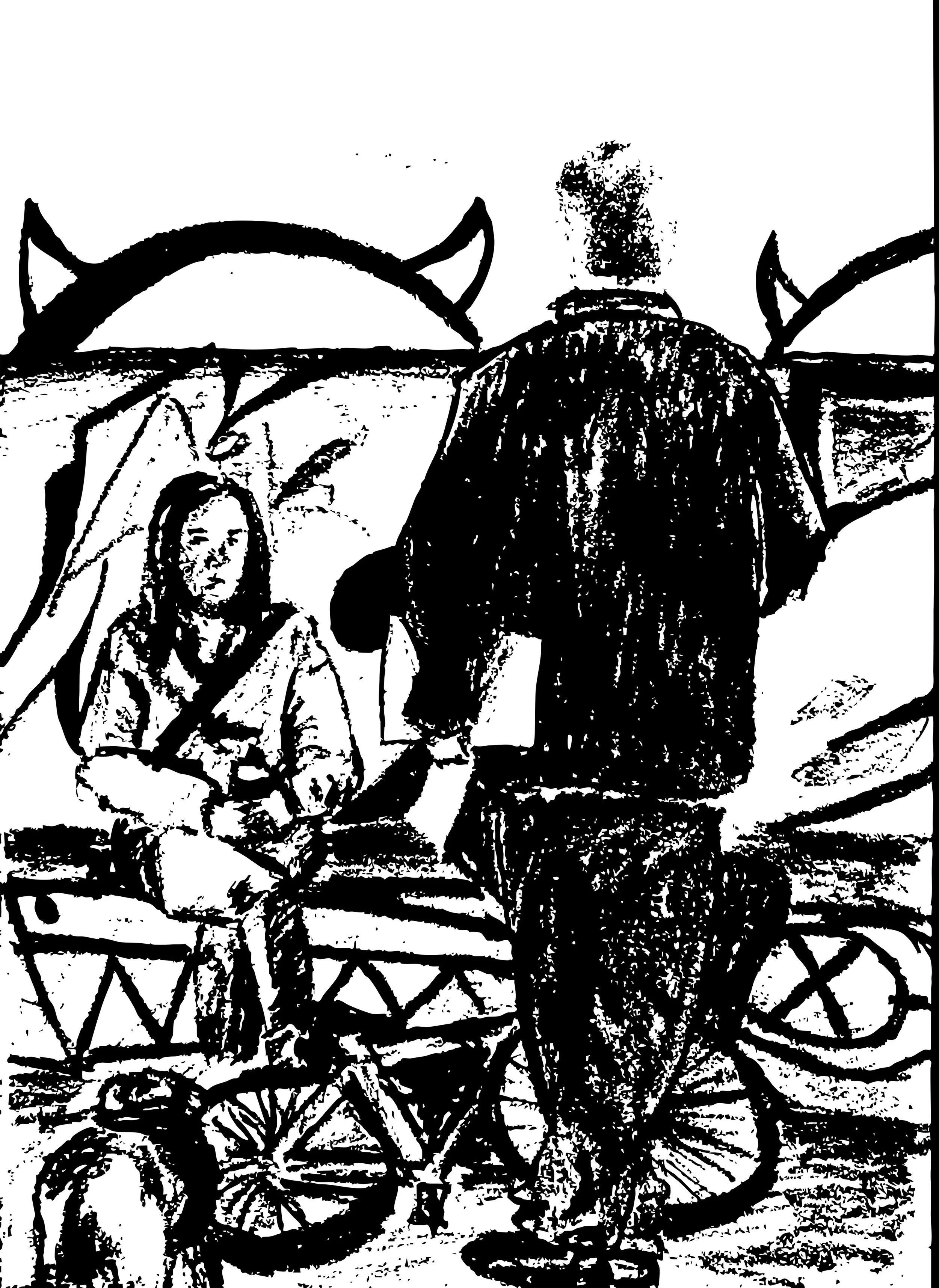
Turbo Island is a small triangle patch of land positioned at the junction of Jamaica Street and Stokes Croft. The reason for this space is due to the destruction of the building “shoe warehouse” that stood there during an air raid in World War ll. It has become a vacant place since then as the public thought it would obstruct drivers’ views of other vehicles as they approached the Jamaica Street-Stokes Croft junction. Since then, this became a space for advertisement hoarding on the large wall. This was given official recognition in the 1960s. Over time it became a space for vibrant street art culture while also serving as a bulletin board for local events.
Turbo Island is a staple and important part of the complex history of Stokes Crofts’s culture. It is now a place where people from all walks of life and street drinkers feel safe here, and there is always a fire burning.
History of Stokes Croft:
Turbo Island got its name due to the popularity of a cheap cider called “Turbo”. Forensic planner Jeff Butterfield, 69, has lived in Montpelier since 1975. He has seen the area face many changes over the years and says the name Turbo Island was developed after a variety of cheap white cider were sold in plastic bottles during the 1980s.
“Much favoured by the alcoholics who used to spend their days sitting on the wall, it was cheaper than bottled water.”
Despite it only being a small space, it has been a gathering place for marginalised groups, it has been a place for squatters, street drinkers and those experiencing homelessness to hang out. There are efforts to gentrify the area, which creates tension between the vibrant, rebellious culture.
In 2014, PRSC applied to the European Green Capital 2015 for a grant to commence the process of buying back Turbo Island for the Community. It did not win.
THE PITCH:
“Turbo Island is the piece of land on the corner of Stokes Croft and Jamaica Street. Bombed during the war, it was used for advertising hoardings since the ’50s. In around 1985, the then Avon County Council sold this land to the advertising company for £32,500, FIVE YEARS AFTER STOKES CROFT WAS DECLARED A CONSERVATION AREA.The land in front of the hoarding was of no interest to the advertisers and remained a wasteland, largely inhabited by street drinkers and drug addicts. In 2007 PRSC started to make good, floating the then patently absurd notion of Stokes Croft as a Cultural Quarter.”
Present Issues and the council’s involvement:
Turbo has become a place for antisocial behaviour, which has led to issues such as addiction, public drinking, taking drugs and violence. Due to these problems worsening, there is a risk of it affecting locals, businesses and residents. Therefore, Bristol City Council have tried TO MAKE attempts to address these problems. The Council have expressed interest in buying Turbo Island from the Social of Merchant Venturers in the plans to redevelop and renovate it. The process of buying Turbo is difficult; due to this being a privately owned piece of land, therefore the council can’t easily access this.
Community Involvement and Resistance:
Despite all this, Turbo Island holds cultural significance for so many people, and therefore, there is resistance to cooperating in the gentrification process. Many social residents and businesses have stepped up to defend the island and highlight that there are better ways of finding solutions to the Council’s worries.
Many activists argue that turbo should remain a place for the people aswell as recognising the need for improvements. Local groups such as ‘People’s Republic of Stokes Croft’ have voiced their concerns about the council erasing the area’s historic character and pushing the marginalised groups out of an area they rely on.
Community members have come up with ideas for making this space safer, for example, turning it into a community-managed garden, an art installation space or adding seating, lighting and greenery to make it a more inviting space.
There is a fear that the council buying the space will lead to the gentrification of Stokes Croft, pushing out the communities most vulnerable. On the other hand, there are safety concerns regarding the island as there has been an increase in drug use, crime and addiction. However, This is many people’s safe place and home.